
Ways to Identify Authentic HMDD Items While Buying Resale
Purchasing HMDD (Happy Memories Don’t Die) secondhand has become the fastest way for fans of the brand to complete a collection without holding out for restocks. However, resale marketplaces and apps are also where fakes and wrongly tagged items tend to surface, so being able to confirm authenticity before you pay matters more than it did just two years ago. The following breakdown explains what real HMDD clothing usually has in common in construction, branding, and materials, and how to weigh listings against each other so you’re not gambling on a photo and a wishful description.
Since the brand’s earlier releases were sold out, resale demand for hmddla-associated drops has climbed steadily — which means prices on resale sites often sit above original retail for scarce colorways. That premium pricing is exactly why sellers from time to time misrepresent the condition, sizing, or authenticity of an item. Being familiar with the brand’s actual construction tendencies gives you the upper hand in negotiations and shields you from paying a steep price for a fake.
Begin With the Tag and Label Information
Every genuine HMDD garment should display consistent branding on its interior tags, and slight discrepancies are usually the earliest red flag in a resale listing. Examine carefully at stitching around the tag itself — genuine pieces use tight, uniform stitching with no frayed threads framing the label. Font weight hmdd logo hoodie and spacing on “Happy Memories Don’t Die” branding should line up across pieces from the identical release; if you’re comparing two sweatpants from supposedly the same drop and the wording looks distorted or oddly kerned on one, that’s worth mentioning to the seller.
Don’t just settle for the branded logo tag — request sellers for close-up photos of the care tag too. Genuine care tags typically include fabric composition and washing instructions printed in a uniform font style matching the rest of HMDD’s labeling standards. A unclear or oddly cropped photo of this tag in a listing is a typical trick sellers use when the tag can’t withstand scrutiny. Don’t be hesitant about asking for three or four angles before committing to a purchase, especially for pricier items over $150.
Something is also revealed by color accuracy between the tag print and the garment itself. If the tag references a black colorway but the garment photographed looks dark gray or faded navy under different lighting, ask for a photo in natural light. Sellers who are being upfront will usually accommodate this request within a day.
Examine the Stitching, Seams, and Fabric Heft
The weightier pieces in the HMDD lineup, above all, are built with a denser cotton-blend material that carries real heft once lifted. Knockoff pieces often rely on flimsier, lighter-weight material to save on manufacturing expense, which can allow a piece to pass visually online but feel distinctly off in hand. Should a seller note the item feels “lightweight” or “less substantial than anticipated” in the listing description, regard it as valuable insight rather than glossing over it.
Seam construction is another telltale sign. Double-stitched seams along the inseam and waistband of hmdd sweatpants come standard with authentic pairs, while cheaper reproductions tend to feature single-stitch construction that fray faster and gather unevenly where strain occurs. Examine listing photos for any seam puckering, most notably around pockets and the drawstring channel. A drawstring channel that’s crooked or unevenly sewn is among the more dependable indicators of a non-authentic piece.
Specifically with hmdd shorts, check the hem finishing. Authentic pairs typically feature a tidy folded edge with few noticeable gaps in the topstitching, whereas replica shorts can display an irregular hemline when spread out. Ask the seller for a flat-lay photo prior to purchase if possible — it exposes construction flaws that on-body photos conveniently hide.
Check Prices Against Established Retail Values
Pricing patterns can tell you almost as much as physical inspection. Once you know the original selling price, a resale price far under that figure should be a red flag, most of all for items marketed as new with tags. True limited supply in HMDD drops means resale prices for highly wanted pieces often hold steady or increase, so a “unbelievably low” price on a purportedly limited release is typically just that.
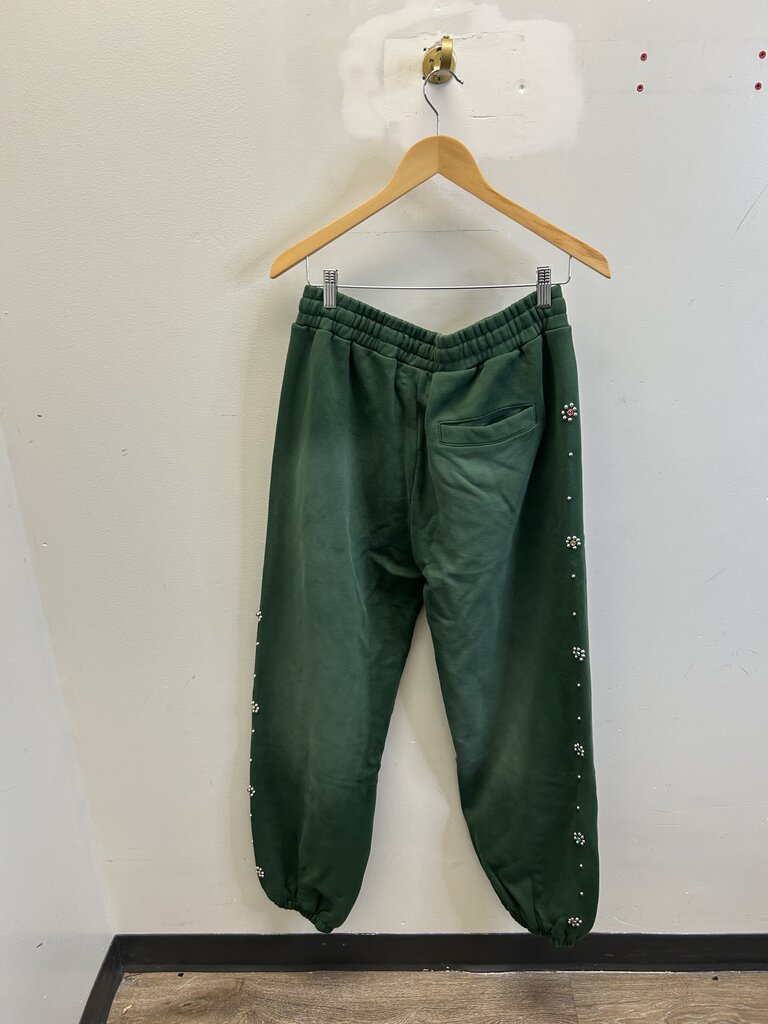
Reading is also useful an actual hmdd review from a buyer who purchased the same piece new, when you can find one, since these reviews often mention certain manufacturing specifics — fabric hand-feel, sizing oddities, seam coloring — that you can then cross-reference against the resale listing you’re considering. People researching which hmdd pieces are worth a secondhand investment often depend on these personal reviews more than the seller’s own claims, and for good reason: sellers have incentive to oversell condition and authenticity, while earlier buyers typically lack that incentive.
| Authentication Checkpoint | Sign showing a Legit HMDD Piece | Warning Sign which is Common |
|---|---|---|
| Inner tag sewing | Sewing that’s firm and uniform, paired with matching font | Unraveling threads, warped or crooked lettering |
| Weight of the material on sweatpants/shorts | A thick, hefty cotton-blend feel that’s noticeably apparent | Fabric that’s thin and lightweight, feeling cheap |
| Assembly of the stitch-lines | Double-stitched inseam and waistband | One-stitch seams, bunching, irregular drawstring tunnel |
| Finishing of the edge on shorts | Tidy turned hem, slight topstitching gaps | Crooked hemline apparent in flat-lay photos |
| Pricing against retail | For rare drops, price holds steady or climbs | Suspiciously low cost on “scarce” or sold-out pieces |
Tap Into Prior Seller Activity and Pictures as Supporting Proof
A seller’s history on any peer-to-peer resale site is worth reading before you inquire about that specific piece. Accounts with a pattern of selling multiple “rare” HMDD pieces in suspiciously perfect condition, especially at low prices, deserve extra scrutiny. By contrast, real collectors parting with one or two items from their personal wardrobe typically have more believable photographic settings, wear consistent with actual use, and will usually engage with in-depth inquiries about fit and condition without bristling.
Buyers should insist on unedited photos taken in natural light, rather than professionally staged photography lifted from other sites. Regrettably, many counterfeit sellers to copy the brand’s real promotional images and combine it with a real garment that’s inconsistent with it, relying on shoppers overlooking the mismatch between promotional imagery and the real product delivered. In just thirty seconds, a reverse image search on a suspicious photo can spare you a expensive error.
Determine if the garment originated with hmddla or some other authenticated retailer, while also asking for an original receipt or an order-confirmation screenshot, assuming it’s still on hand. Plenty of legitimate resellers won’t have retained it, but those who do can clear up doubts about legitimacy almost immediately. If a seller becomes evasive or annoyed at these requests, treat that reaction as data.
How Consistent Fit and Sizing Turns Out to Be
Within a given release, HMDD’s fit usually stays consistent, meaning once you’re familiar with the fit of a piece you own, you get a useful reference point for shopping resale for another one. Joggers in particular should match stated size measurements closely—be sure to ask the seller for waist and inseam measurements in inches rather than relying solely on the tag size, since tag sizes can shift a bit between production runs.
If a listing describes a size medium but the measurements given don’t align with what medium has run in prior releases you’ve verified, factor that into your decision. This mismatch doesn’t automatically mean the item is fake, but it does mean you should ask more questions before paying, particularly on high-value transactions.
Photographs of the garment worn on a body, instead of laid flat, also help verify the fit look right. A fit that looks noticeably too loose or too tight relative to the stated size, particularly across multiple photos, is worth flagging directly with the seller before finalizing any purchase.
Closing Checklist Before You Buy
Before finalizing any resale purchase, run through a short mental list: verified tag details, requested flat-lay and daylight photos, seams and stitches checked for quality, pricing that lines up sensibly with retail, and a seller history that seems free of warning signs. Spending just five extra minutes on this review costs you absolutely nothing compared to how frustrating it is receiving a counterfeit.
As awareness of the brand spreads among collectors, demand will likely keep growing through 2026, and the Happy Memories Don’t Die resale market isn’t fading. Taking a cautious approach today means you put together a wardrobe of pieces you can trust, as opposed to one full of guesswork and regret.